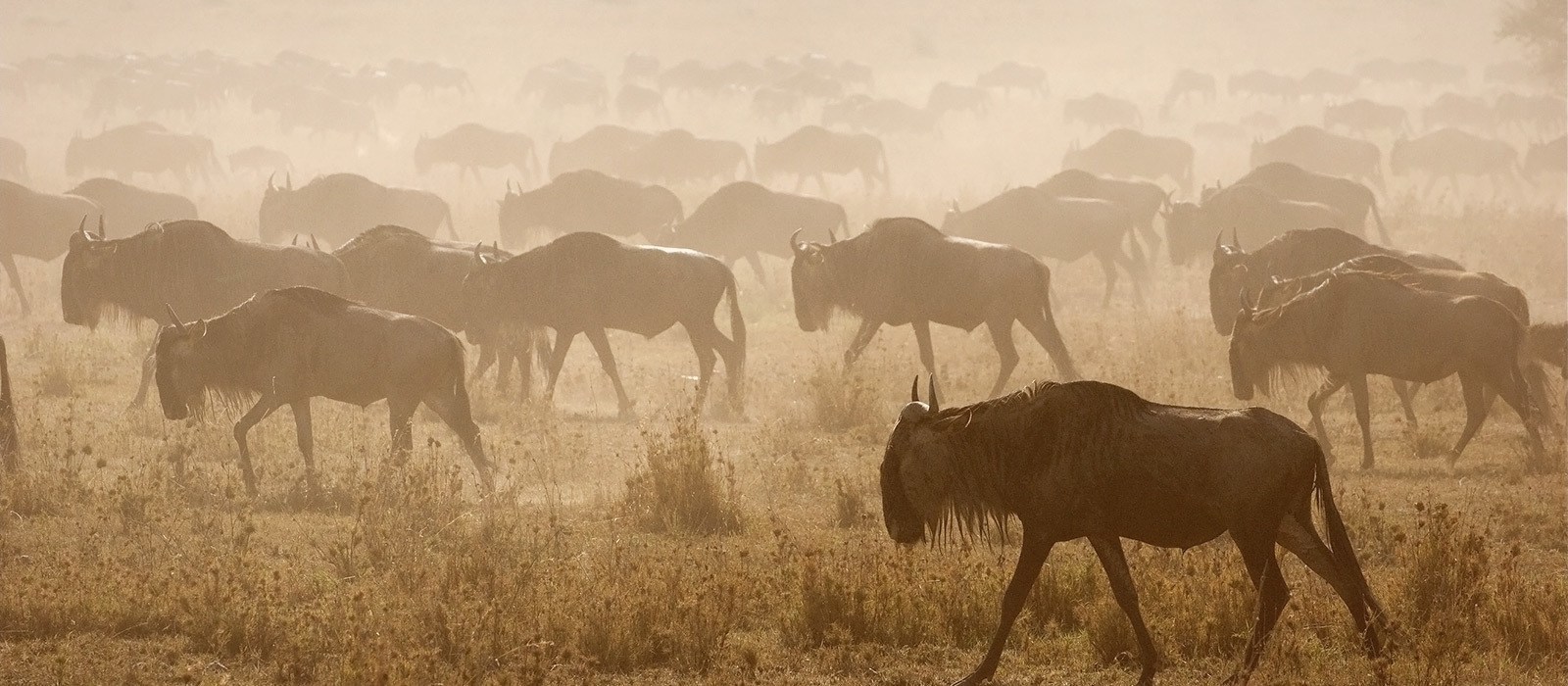
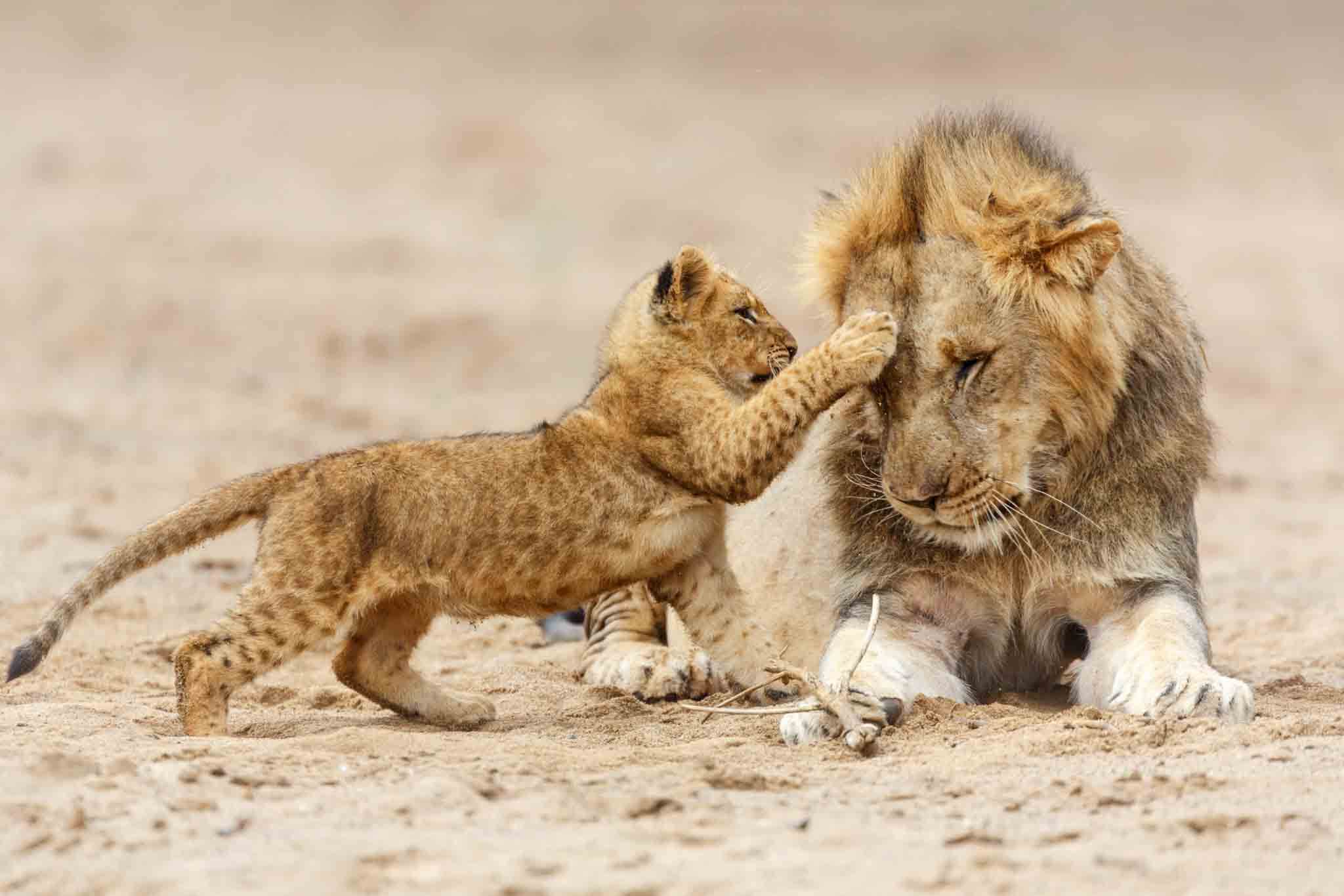
Serengeti National Park is one of Africa’s most iconic wildlife destinations and a world-renowned safari paradise. Located in northern Tanzania, the park covers vast open plains that stretch as far as the eye can see, creating one of the most spectacular ecosystems on earth. The Serengeti is famous for its incredible wildlife diversity and the breathtaking Great Migration, where millions of wildebeest, zebras, and gazelles move across the plains in search of fresh grazing.
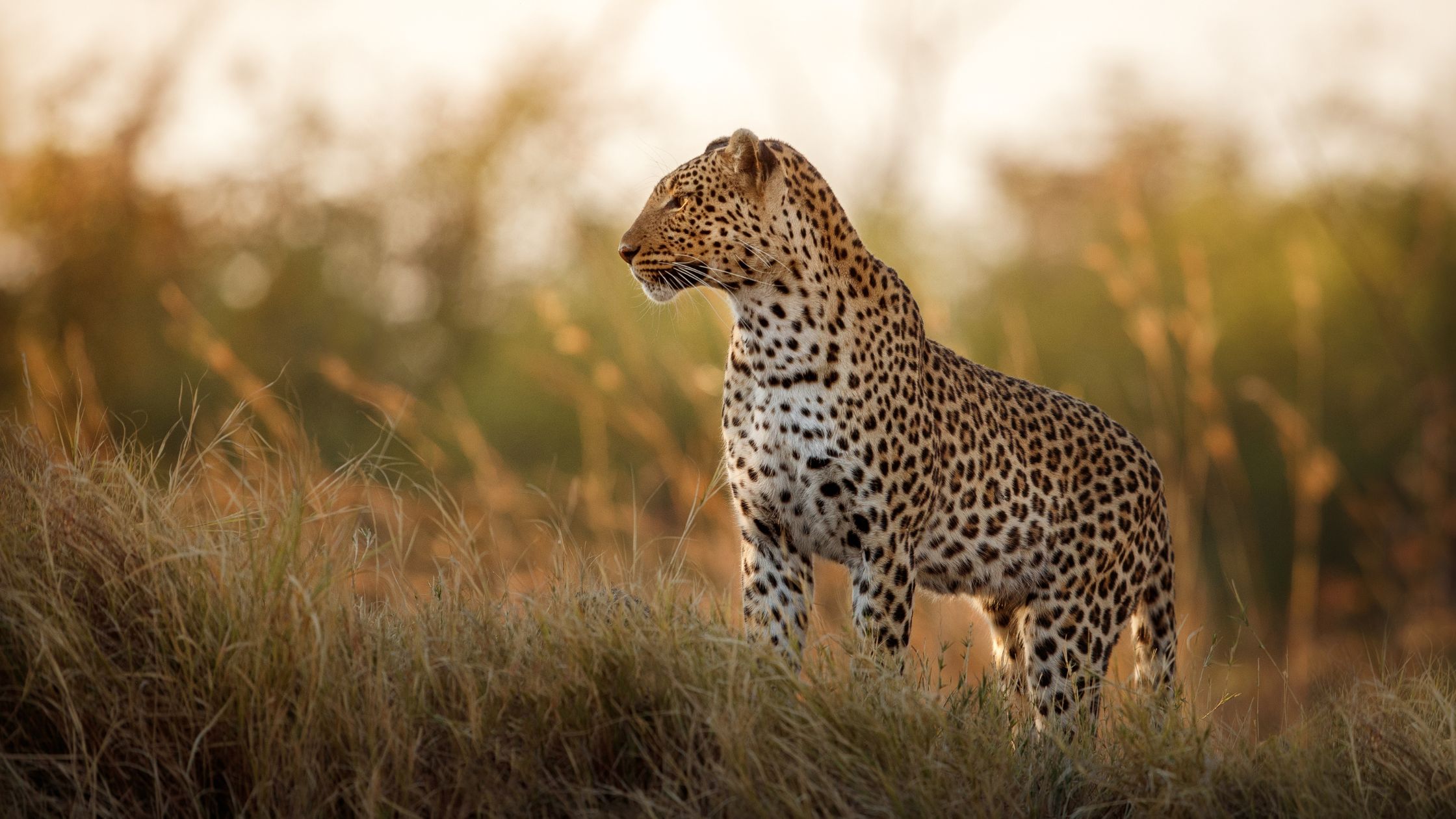
Recognized as a UNESCO World Heritage Site, the Serengeti offers year-round game viewing and is home to the Big Five lion, leopard, elephant, buffalo, and rhino. Its endless savannah, scattered acacia trees, and dramatic sunsets create unforgettable safari moments for visitors from around the world.
Serengeti National Park is more than just a safari destination it is a place where nature unfolds in its purest form. From dramatic wildlife encounters to peaceful golden plains at sunset, every moment in the Serengeti tells a story of Africa’s wild beauty.
Geography and Ecosystem
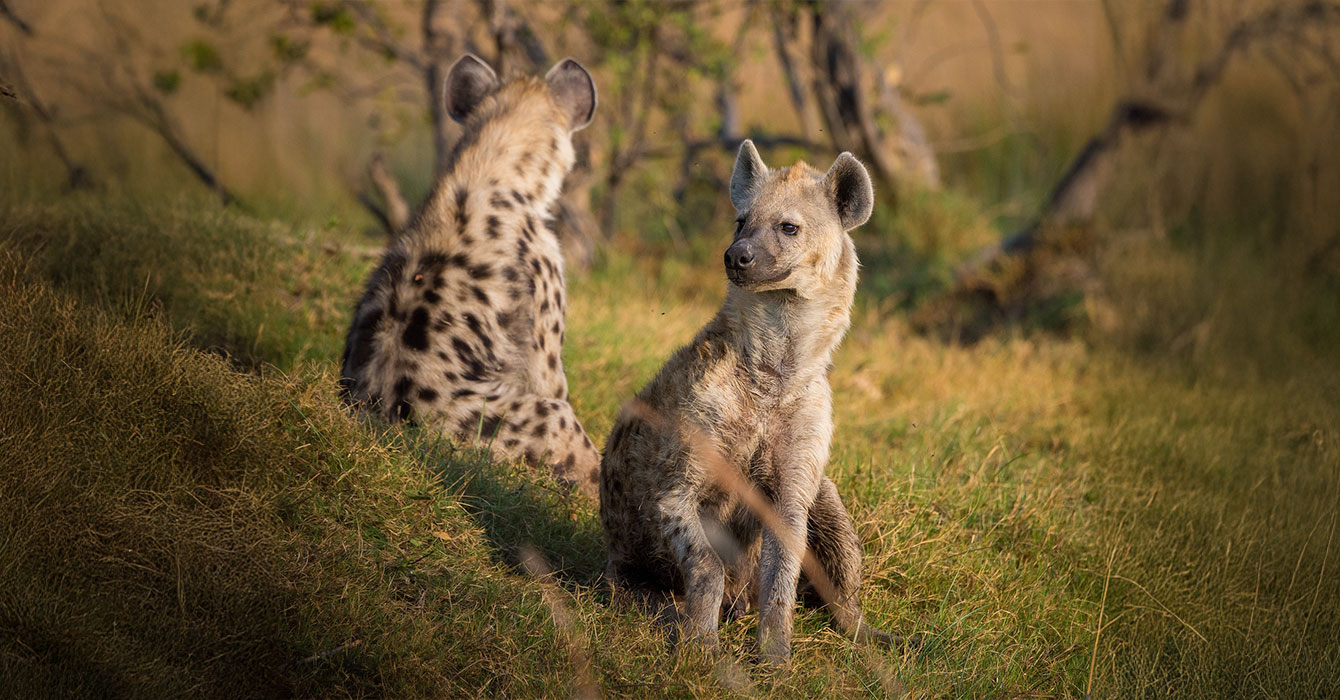
The Serengeti encompasses vast grasslands, acacia woodlands, and riverine forests stretching from the Grumeti River in the west to the Ngorongoro highlands in the east. Elevations range from 920 to 1,850 meters. Its varied habitats support one of the highest concentrations of large mammals on Earth, including lions, elephants, giraffes, and cheetahs.
The Great Migration
Each year, more than a million wildebeest, accompanied by hundreds of thousands of zebras and gazelles, move in a circular pattern through the Serengeti and into Kenya’s Maasai Mara in search of fresh grazing and water. This migration driven by rainfall cycles creates one of the planet’s most dramatic natural spectacles, attracting global attention and ecotourism.
Conservation and Management
Managed by the Tanzania National Parks Authority (TANAPA), the Serengeti faces challenges from poaching, human encroachment, and climate change. Conservation efforts emphasize anti-poaching patrols, community engagement, and sustainable tourism. The park’s ecological health is vital to the wider Serengeti Mara ecosystem that supports both wildlife and local livelihoods.
Tourism and Cultural Context
Serengeti National Park is one of Tanzania’s top tourism destinations, accessible via Arusha or the Ngorongoro Conservation Area. Safari lodges, camps, and guided tours offer visitors a chance to experience East Africa’s wildlife in its natural environment. The park also lies within Maasai ancestral lands, linking natural heritage with enduring cultural traditions.
Important Areas in Serengeti National Park
Seronera (Central Serengeti)
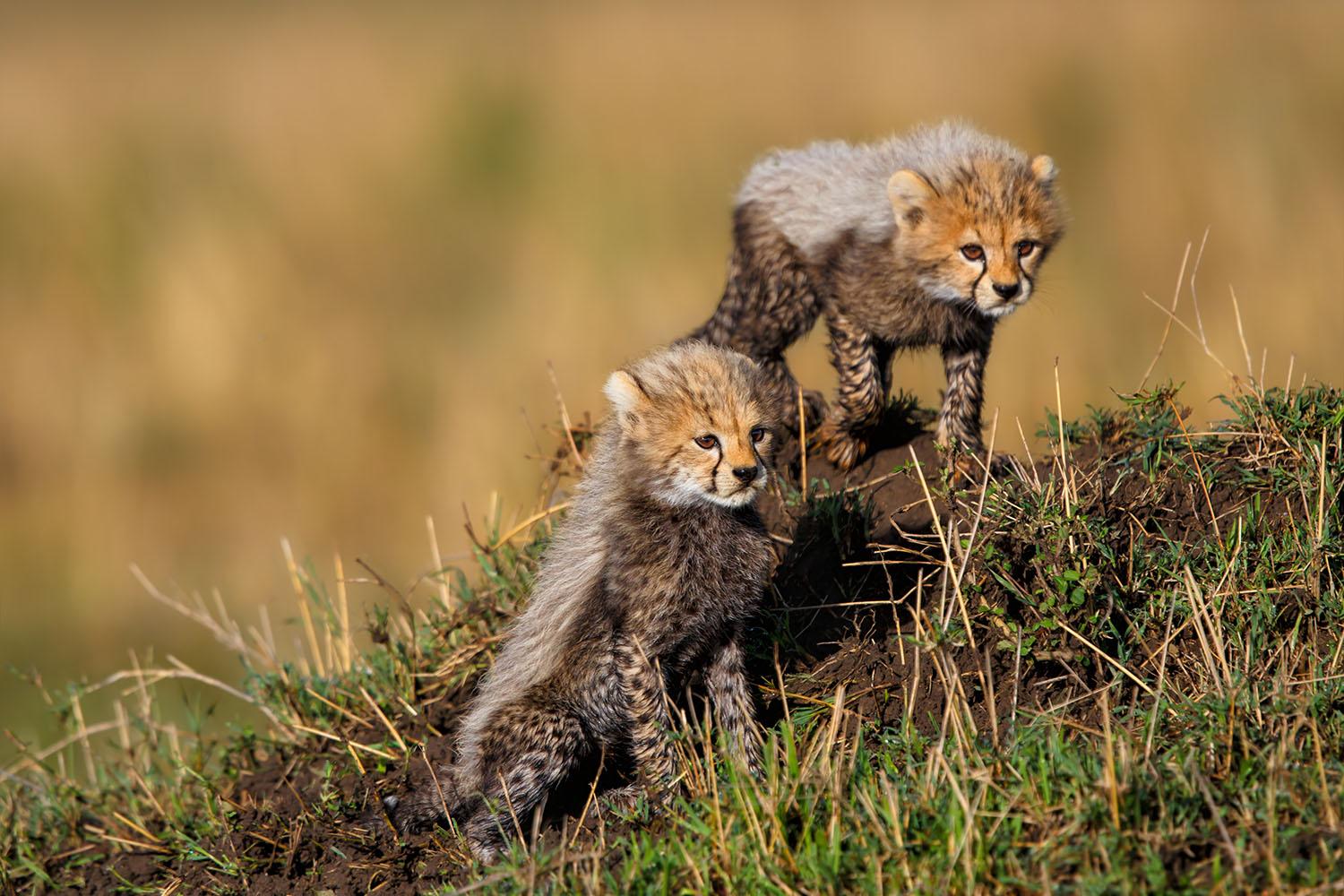
The heart of the Serengeti and one of the best wildlife-viewing areas throughout the year. Seronera is known for its high concentration of predators, especially lions, leopards, and cheetahs. The Seronera River attracts animals even during the dry season, making it a prime location for game drives.
Northern Serengeti (Kogatende Area)
This region is famous for dramatic river crossings during the Great Migration at the Mara River. Visitors can witness thousands of wildebeest crossing crocodile-filled waters one of nature’s most thrilling spectacles.
Western Corridor (Grumeti Area)
Known for the Grumeti River crossings during migration season (around May–July). The area features woodlands and riverine forests, offering a different landscape compared to the central plains.
Southern Serengeti (Ndutu Area)
This area is particularly famous during the calving season (around January–March), when thousands of wildebeest give birth. It is an excellent place to see predators in action due to the abundance of young animals.