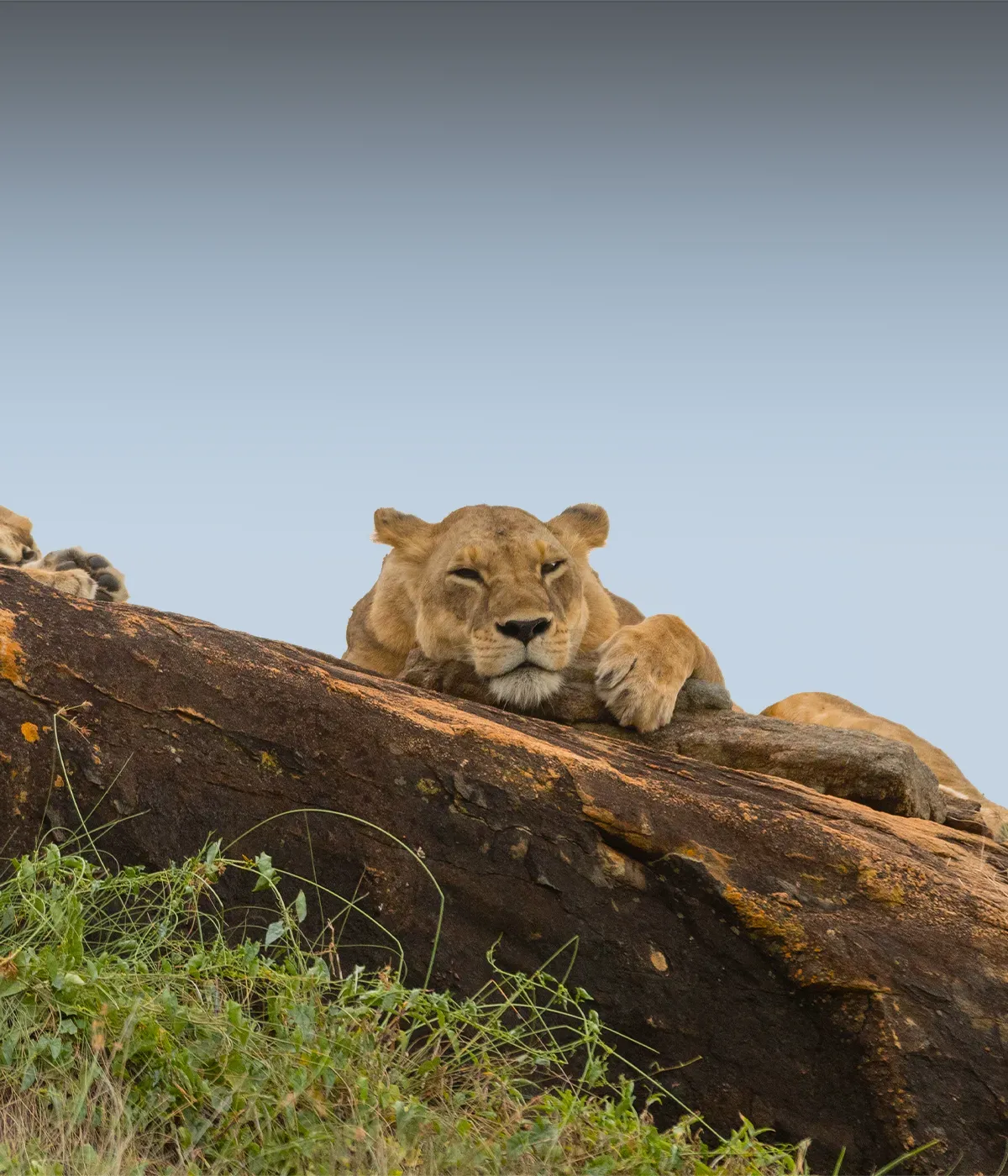
Lake Manyara National Park is a scenic and diverse safari destination located in northern Tanzania, at the base of the Great Rift Valley escarpment. Though smaller in size compared to other parks, it is incredibly rich in wildlife, landscapes, and birdlife. The park is famous for its tree-climbing lions, large troops of baboons, and the beautiful alkaline lake that covers a significant portion of the area.
The park offers a unique combination of groundwater forests, open grasslands, swamps, and the shimmering lake, creating a compact yet varied ecosystem. Its dramatic setting between the towering Rift Valley cliffs and the expansive lake makes it one of the most picturesque parks in Tanzania.
Lake Manyara National Park is a protected wildlife area in northern Tanzania, located at the base of the Great Rift Valley escarpment. Despite its compact size of about 330 km², it offers exceptional ecological diversity, with habitats ranging from groundwater forests to acacia woodlands, grassy plains, swamps, and the alkaline Lake Manyara itself. Established in 1960, it forms part of the UNESCO Lake Manyara Biosphere Reserve and is an integral stop on Tanzania’s Northern Safari Circuit.
Landscape and ecosystems
The park stretches along the floor of the Gregory Rift Valley between steep cliffs to the west and the shimmering alkaline lake to the east. Underground springs feed lush groundwater forests of fig and mahogany, which transition into acacia woodlands and open savannas. Permanent wetlands like Silale Swamp provide refuge for wildlife during the dry season, while geothermal activity surfaces dramatically at the Maji Moto Hot Springs.
Wildlife
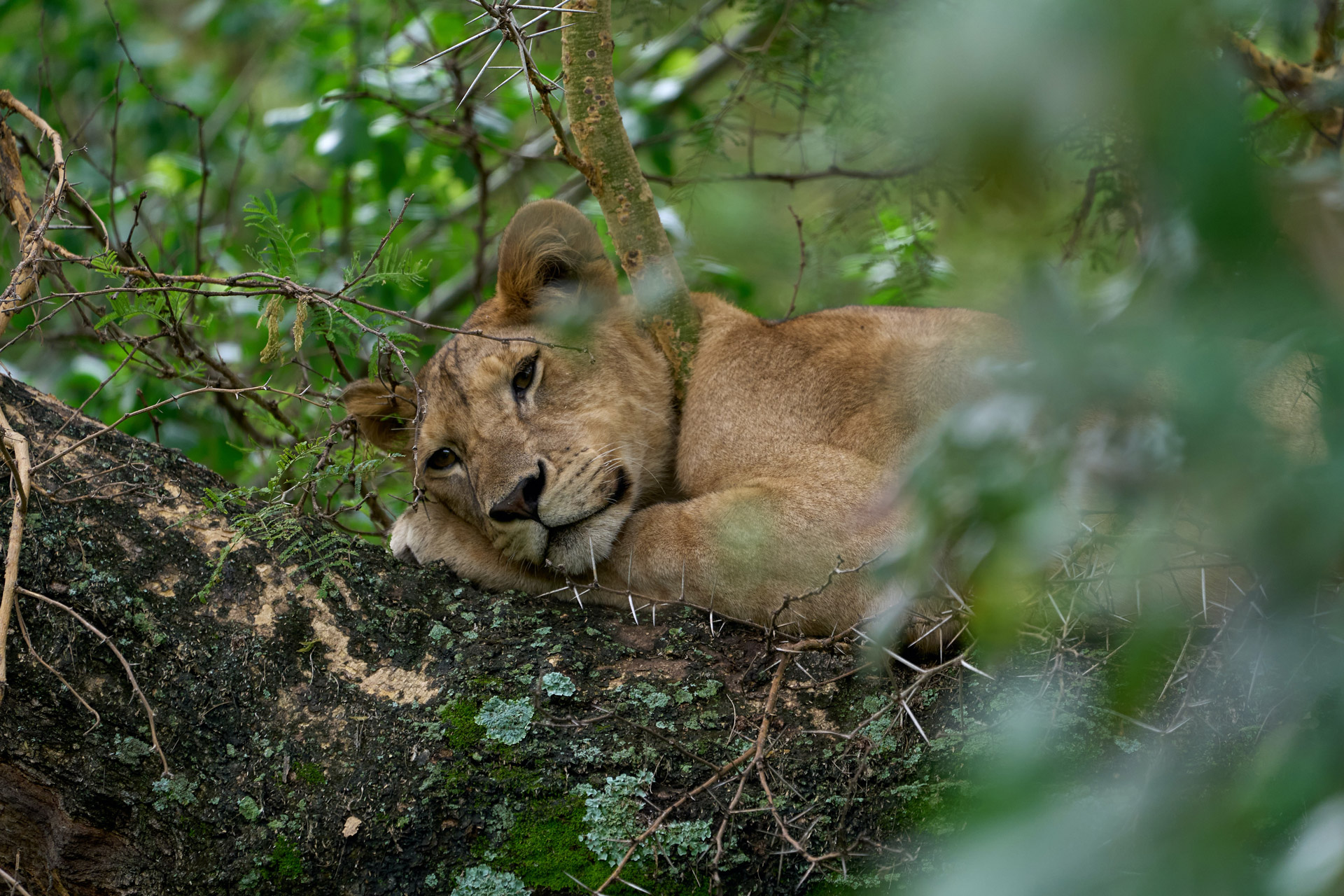
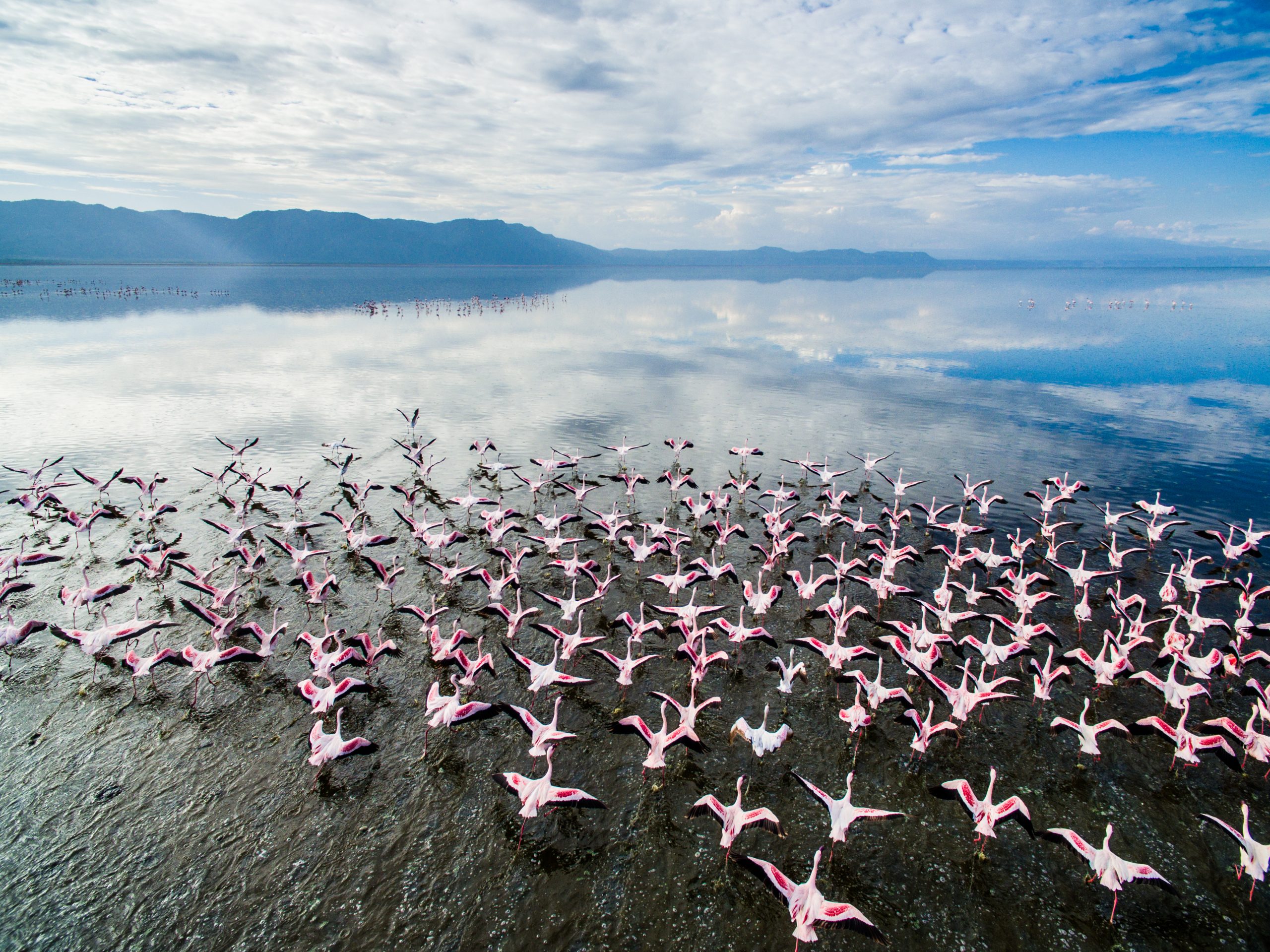
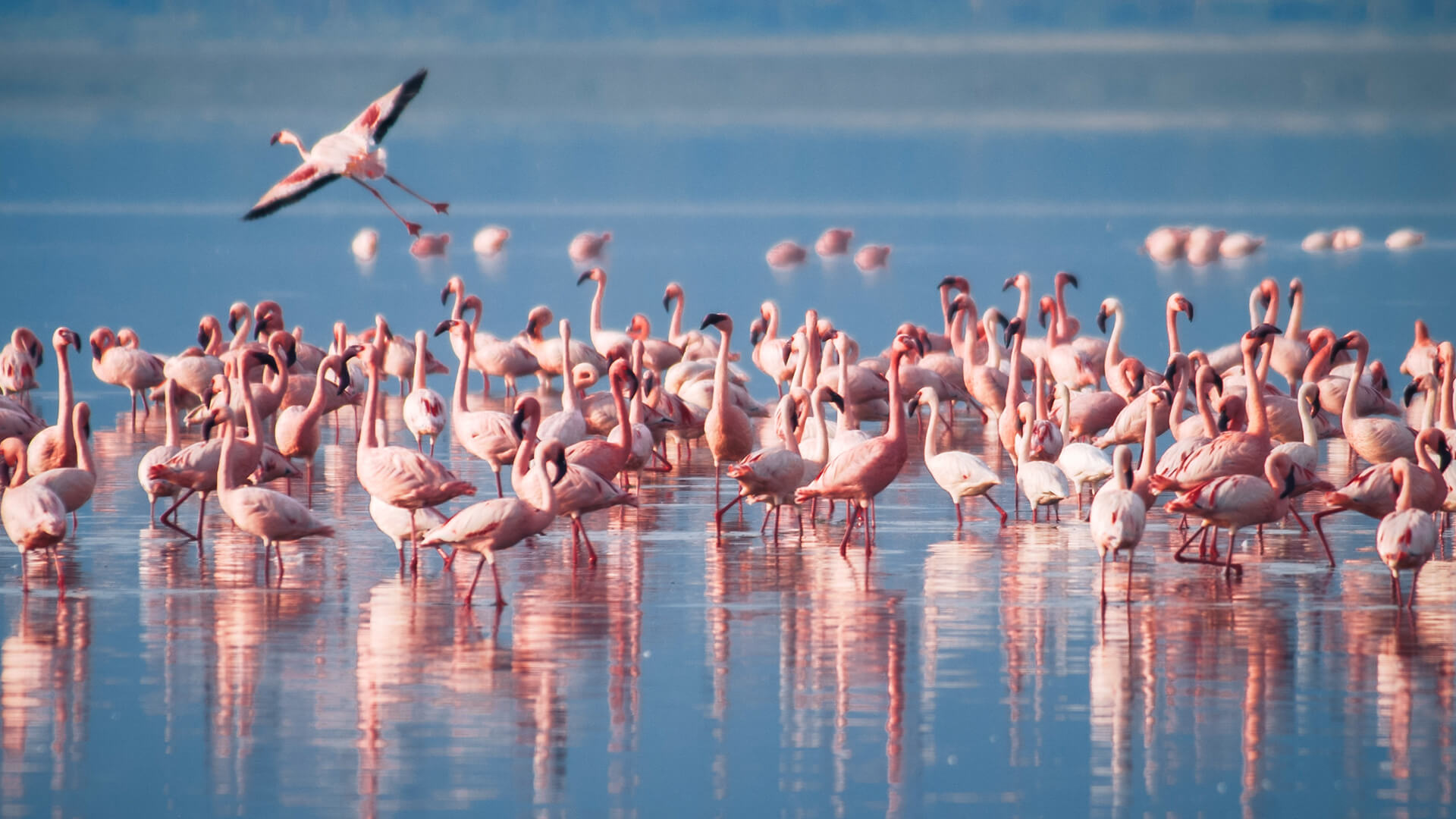
Lake Manyara hosts more than 50 mammal species and over 400 bird species. Highlights include elephants, hippos, giraffes, buffalo, baboons, and the park’s famed tree-climbing lions a behavior shared by few other lion populations. Flamingos and pelicans crowd the lake’s shallows in the wet season, making it one of East Africa’s premier birdwatching sites.
Visitor experience
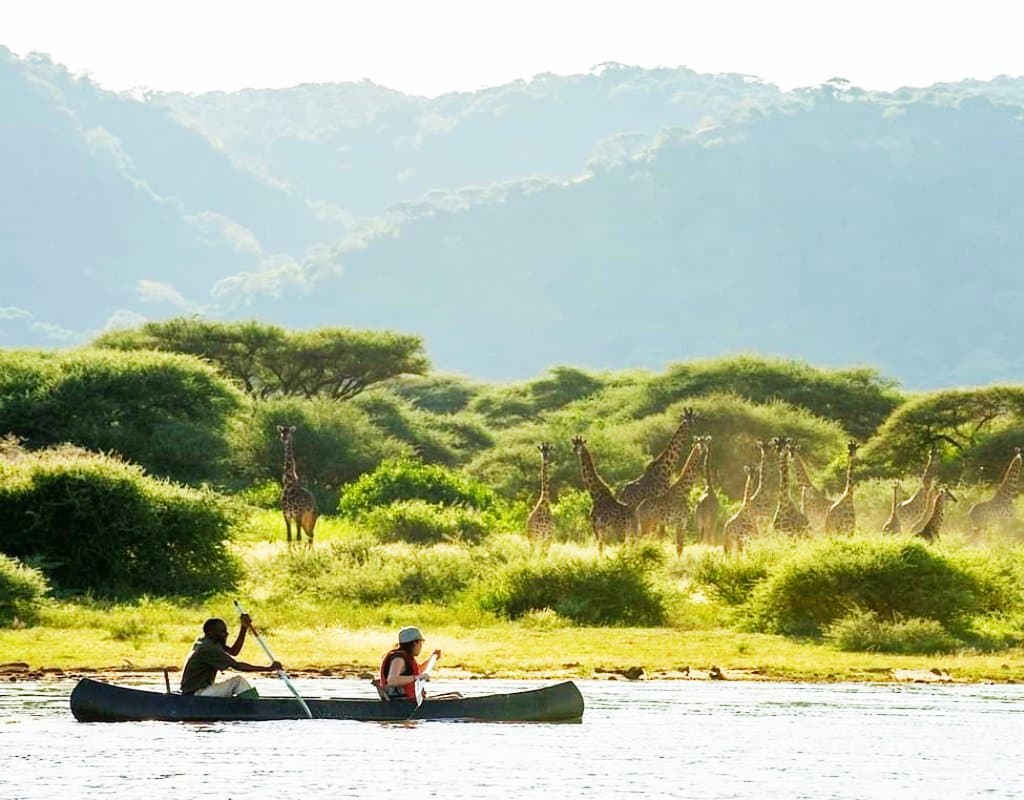
Visitors typically explore via game drives, birding tours, and guided walks. The park also offers night drives, canoe safaris (seasonal), and a treetop canopy walkway near the main gate. Cultural excursions in nearby Mto wa Mbu Village showcase Maasai and Iraqw traditions.
Conservation and access
Lake Manyara is managed by TANAPA under the UNESCO Man and the Biosphere Programme, emphasizing sustainable tourism and community benefit. It anchors the Manyara Tarangire ecosystem, linked by wildlife corridors essential for migratory species. The park lies about 125 km (2 hours by road) from Arusha, with daily charter flights to its airstrip.
Seasonal conditions
June – October is the dry season with optimal game viewing and road conditions, while November–May brings rains, lush landscapes, and migratory birds. Temperatures range from 18 to 32 °C (64–90 °F).
Lake Manyara National Park combines dramatic Rift Valley scenery with concentrated biodiversity, offering an intimate snapshot of Tanzania’s ecological richness within a single day’s safari.
Important Areas in Lake Manyara National Park
Lake Manyara
The heart of the park and a major attraction. This shallow alkaline lake attracts thousands of flamingos during certain seasons, along with pelicans and many other water birds. It is a paradise for birdwatchers and photographers.
Groundwater Forest
Located near the park entrance, this lush forest is fed by underground water springs. It is home to elephants, blue monkeys, and large troops of baboons, offering a completely different atmosphere from the open plains.
Tree-Climbing Lion Area
Lake Manyara is one of the few places in Africa where lions are known to climb trees. These unique lions are often seen resting on acacia branches, creating a rare and unforgettable sight.
Hippo Pool
A popular spot where visitors can observe hippos resting in the water, especially during the heat of the day. It is also a beautiful place for scenic views and wildlife observation.