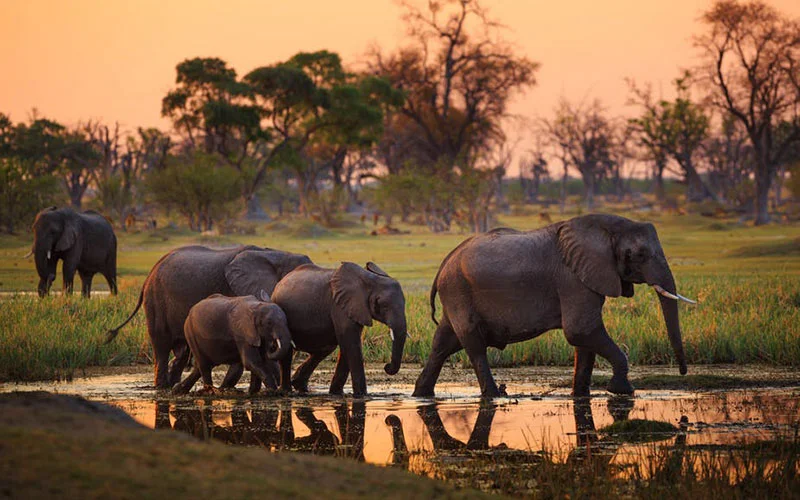
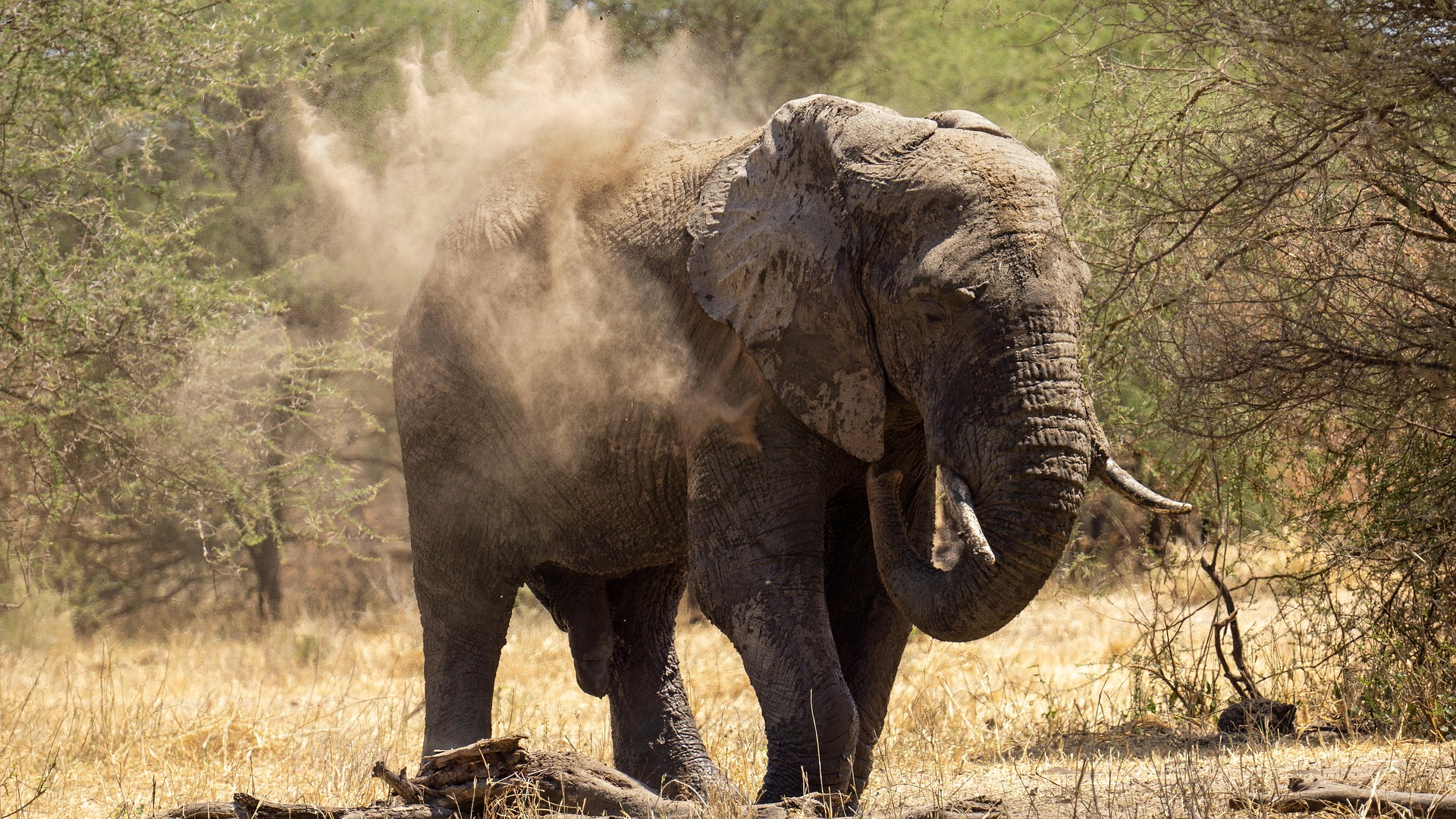
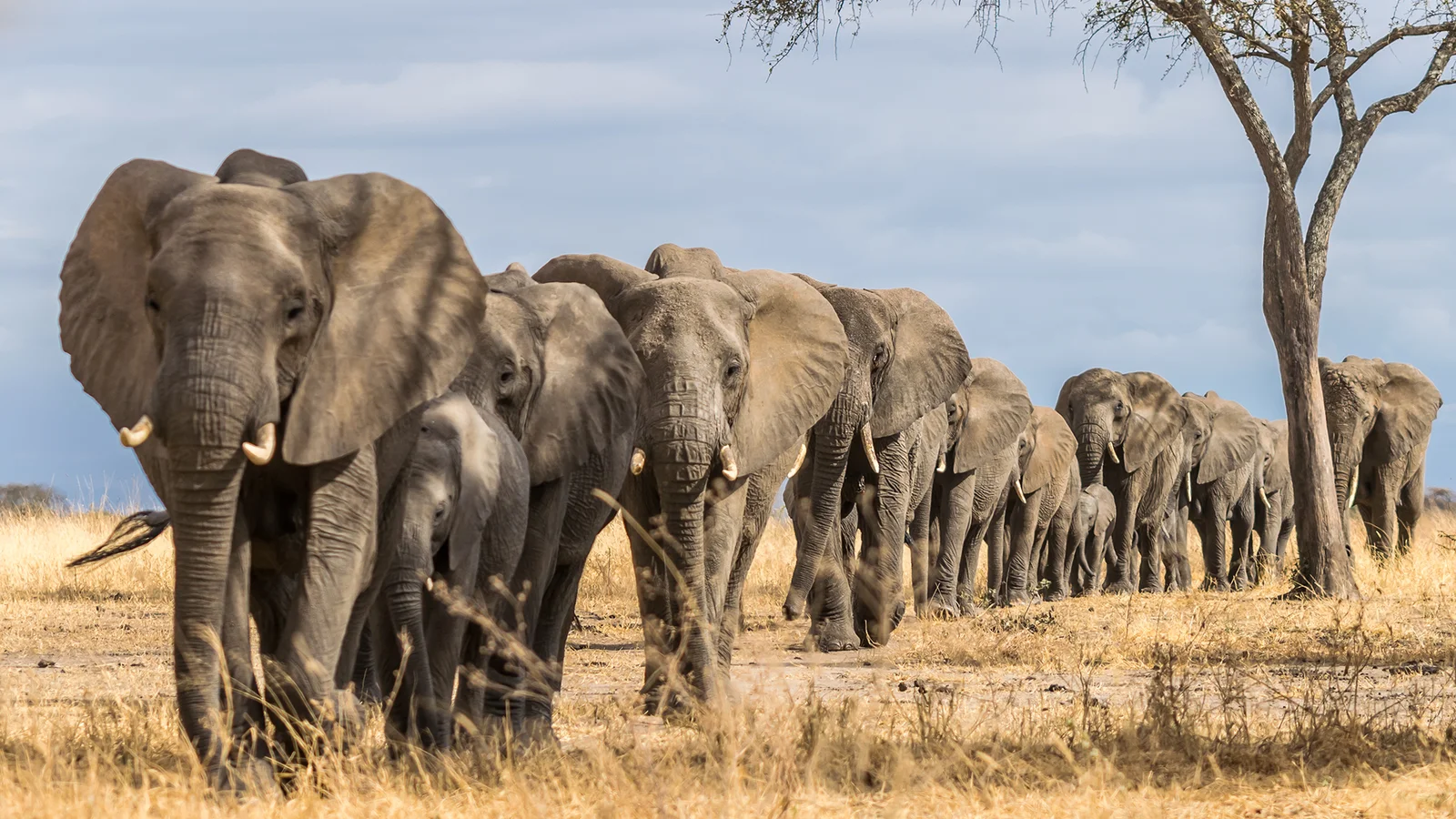
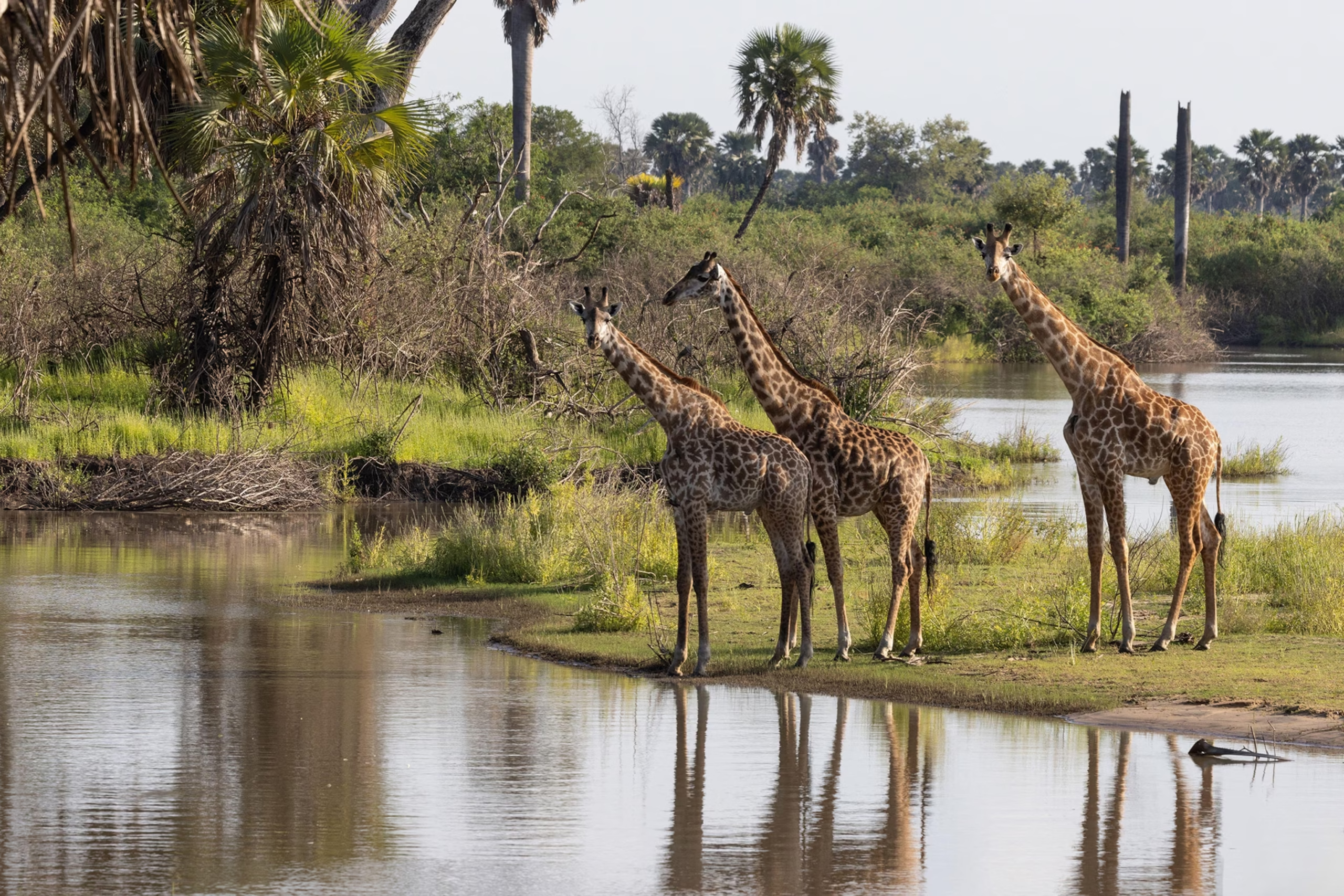
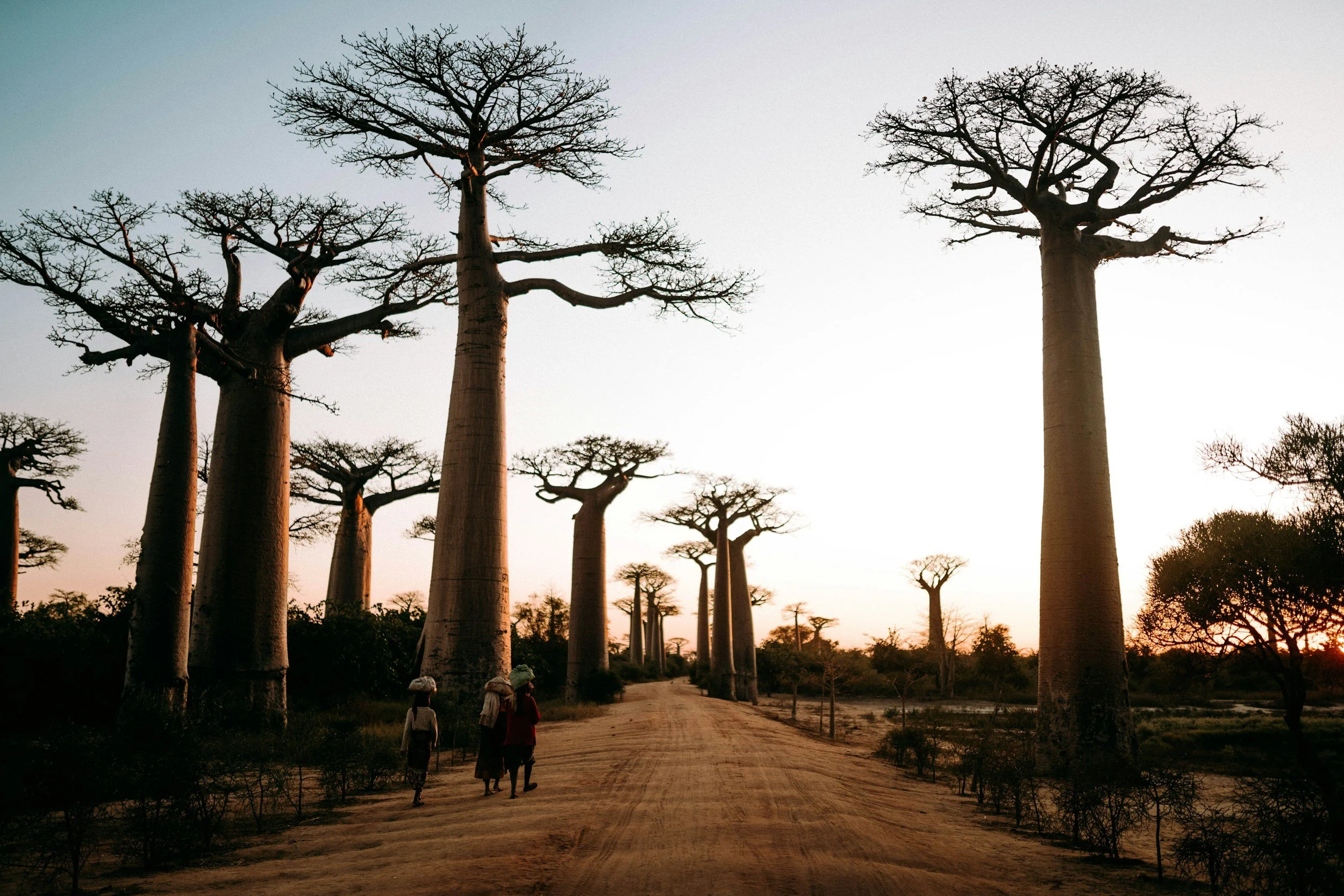
Tarangire National Park is one of Tanzania’s hidden safari treasures, known for its vast elephant herds, majestic baobab trees, and diverse wildlife. Located in northern Tanzania, the park offers a quieter and more intimate safari experience compared to other parks, making it perfect for travelers seeking authentic and less crowded adventures. During the dry season, Tarangire becomes a wildlife paradise as thousands of animals migrate to the park in search of water, creating incredible game-viewing opportunities.
The park is especially famous for its large population of elephants often seen moving in impressive family groups across the golden savannah. With its scenic landscapes, seasonal swamps, river valleys, and iconic baobab trees, Tarangire provides a unique and beautiful safari atmosphere throughout the year.
Tarangire National Park is a protected wildlife area in northern Tanzania, known for its dense elephant population and ancient baobab trees. It forms part of the northern safari circuit and is valued for its seasonal migration of wildlife and scenic savanna landscapes.
Tarangire National Park is a destination where nature, wildlife, and dramatic landscapes come together beautifully. From massive elephant herds to stunning baobab-dotted horizons, every safari in Tarangire offers unforgettable moments in the heart of wild Africa.
Geography and Ecosystem
The park lies about 120 kilometers southwest of Arusha and is named after the Tarangire River, which flows through it year-round. During the dry season, the river attracts thousands of animals, making it one of the highest wildlife concentrations outside the Serengeti. Vegetation ranges from open grasslands and acacia woodlands to thick baobab groves and swamplands.
Wildlife
Conservation and Tourism
The park is managed by the Tanzania National Parks Authority (TANAPA). Tourism plays a major role in supporting conservation and local communities, with eco-lodges and campsites operating within and near the park. Tarangire’s relative tranquility compared to larger parks like Serengeti and Ngorongoro Crater makes it a popular choice for travelers seeking less crowded wildlife experiences.
Cultural and Ecological Significance
Beyond wildlife, Tarangire’s landscape and baobab-dotted plains hold ecological and cultural importance. The Maasai and Barabaig pastoralists live in surrounding areas, coexisting with wildlife while maintaining traditional lifestyles that reflect deep ecological knowledge of the region.
Important Areas in Tarangire National Park
Tarangire River
The lifeline of the park and the main water source during the dry season. Large numbers of elephants, zebras, wildebeests, buffaloes, and predators gather along the river, making it one of the best areas for wildlife viewing.
Silale Swamp
A key attraction especially in the dry season, the swamp attracts a wide range of animals including elephants, lions, and various bird species. It remains green longer than other areas, drawing wildlife from far distances.
Baobab Valley
This scenic area is dominated by giant ancient baobab trees, creating one of the most iconic landscapes in Tanzania. It’s an excellent location for photography and sunset views.
Southern Tarangire
A quieter and more remote part of the park, offering exclusive safari experiences. It is ideal for visitors looking for fewer vehicles and a more private wildlife encounter.