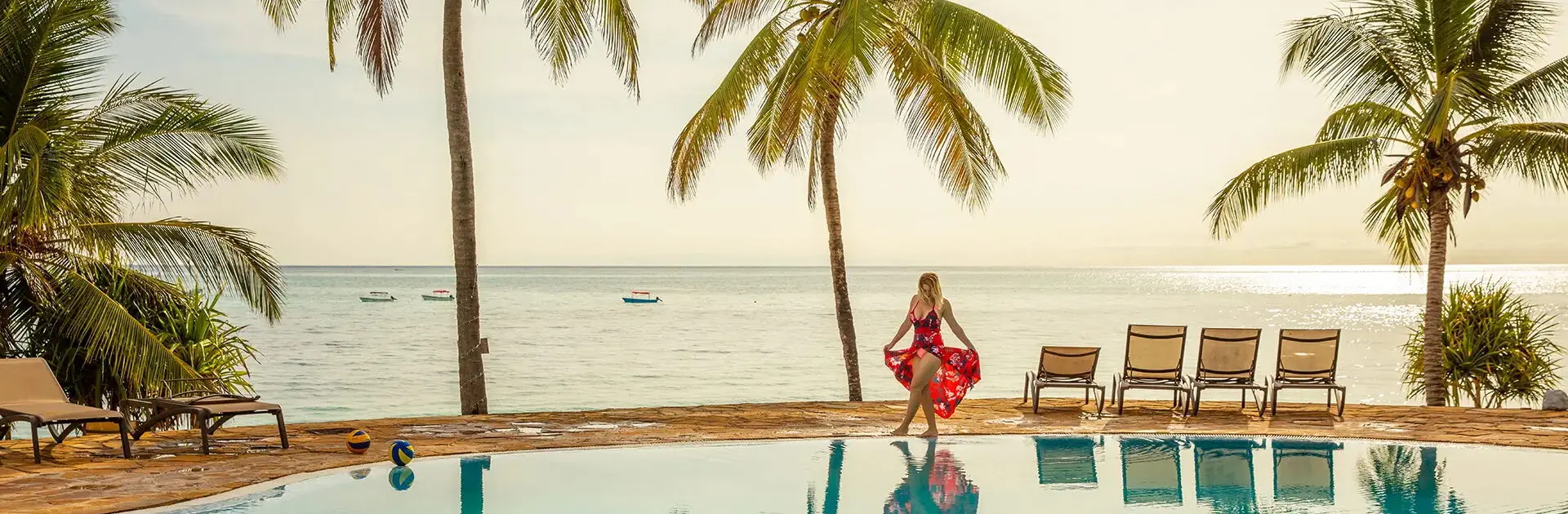
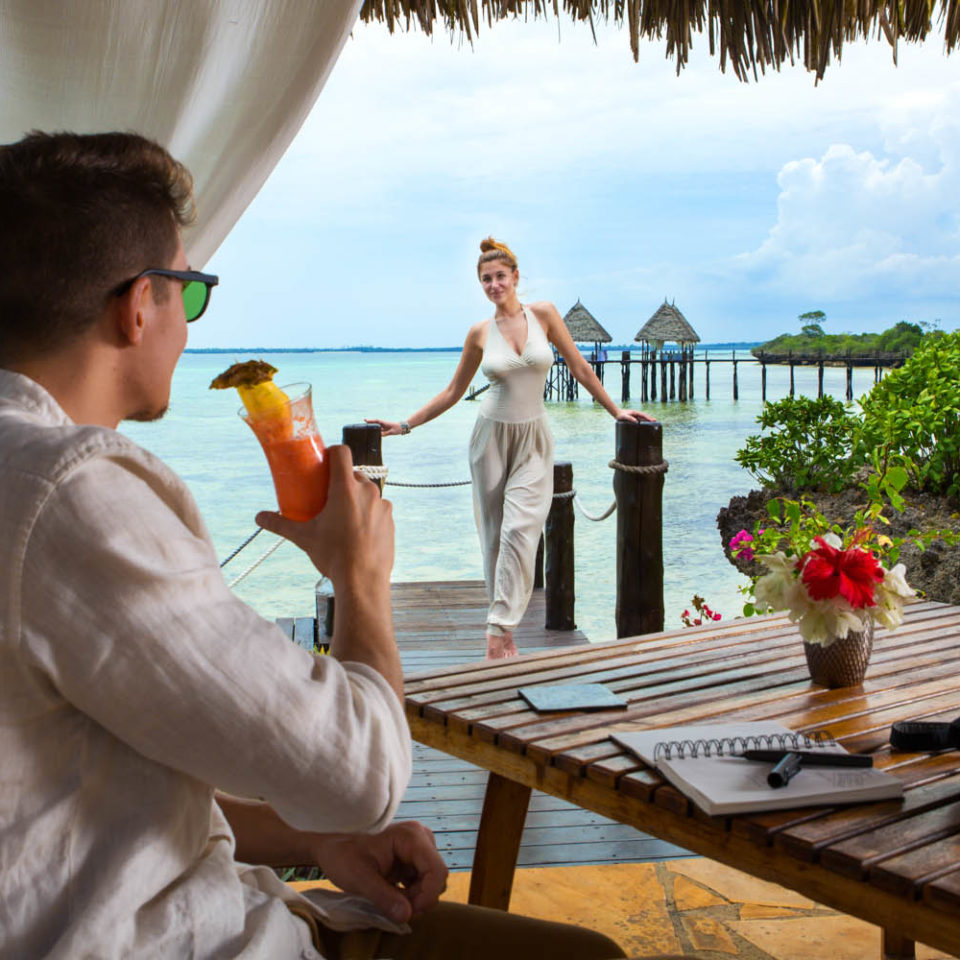
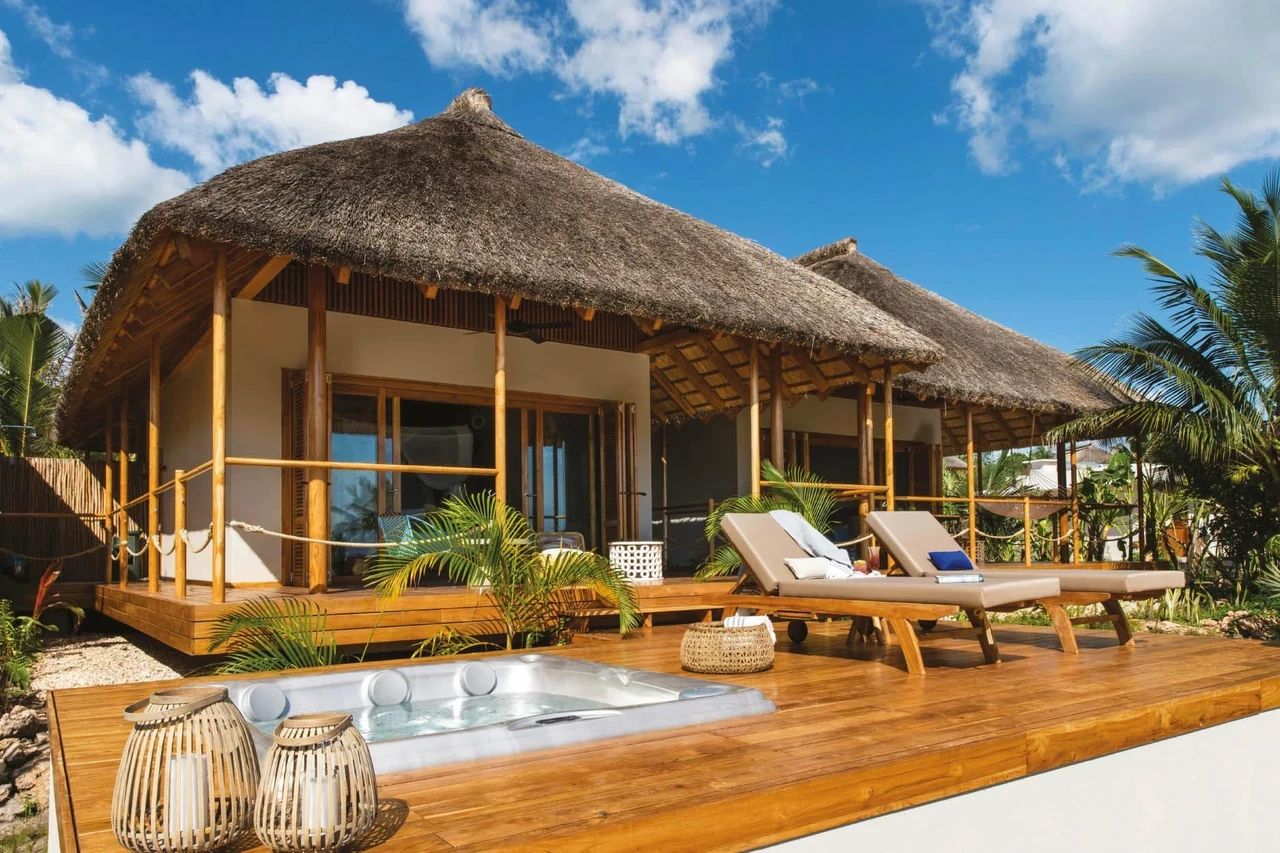
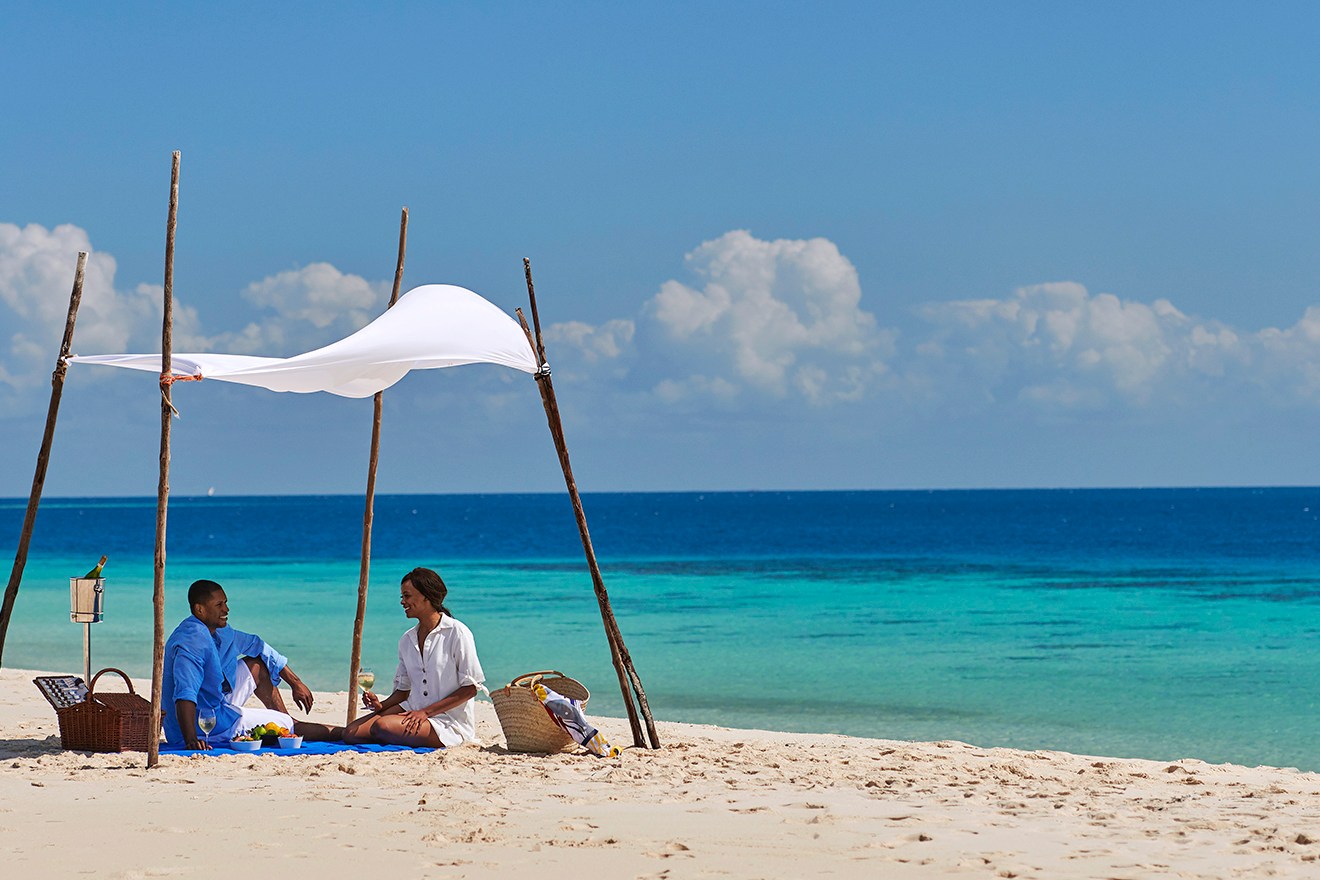
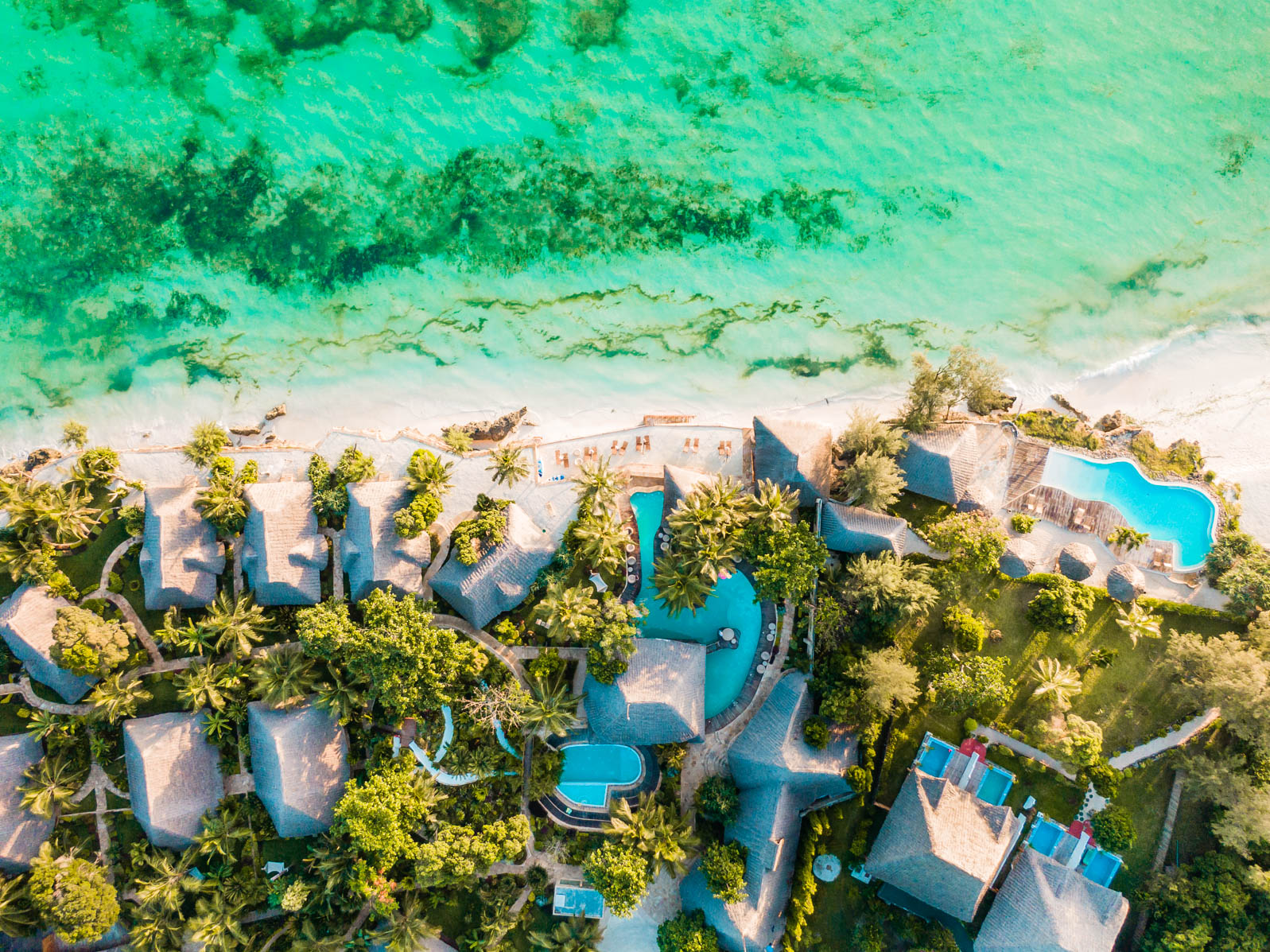
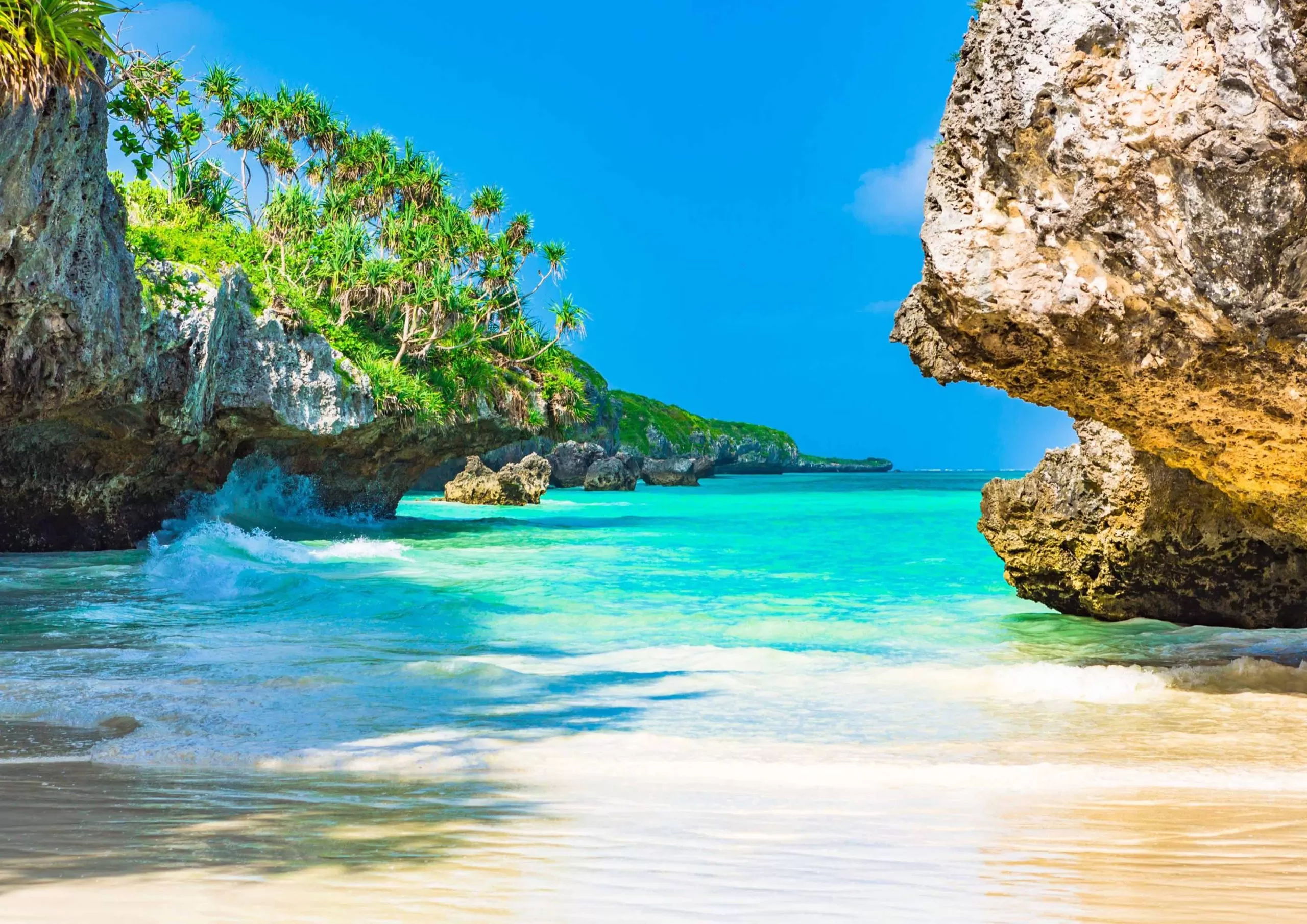
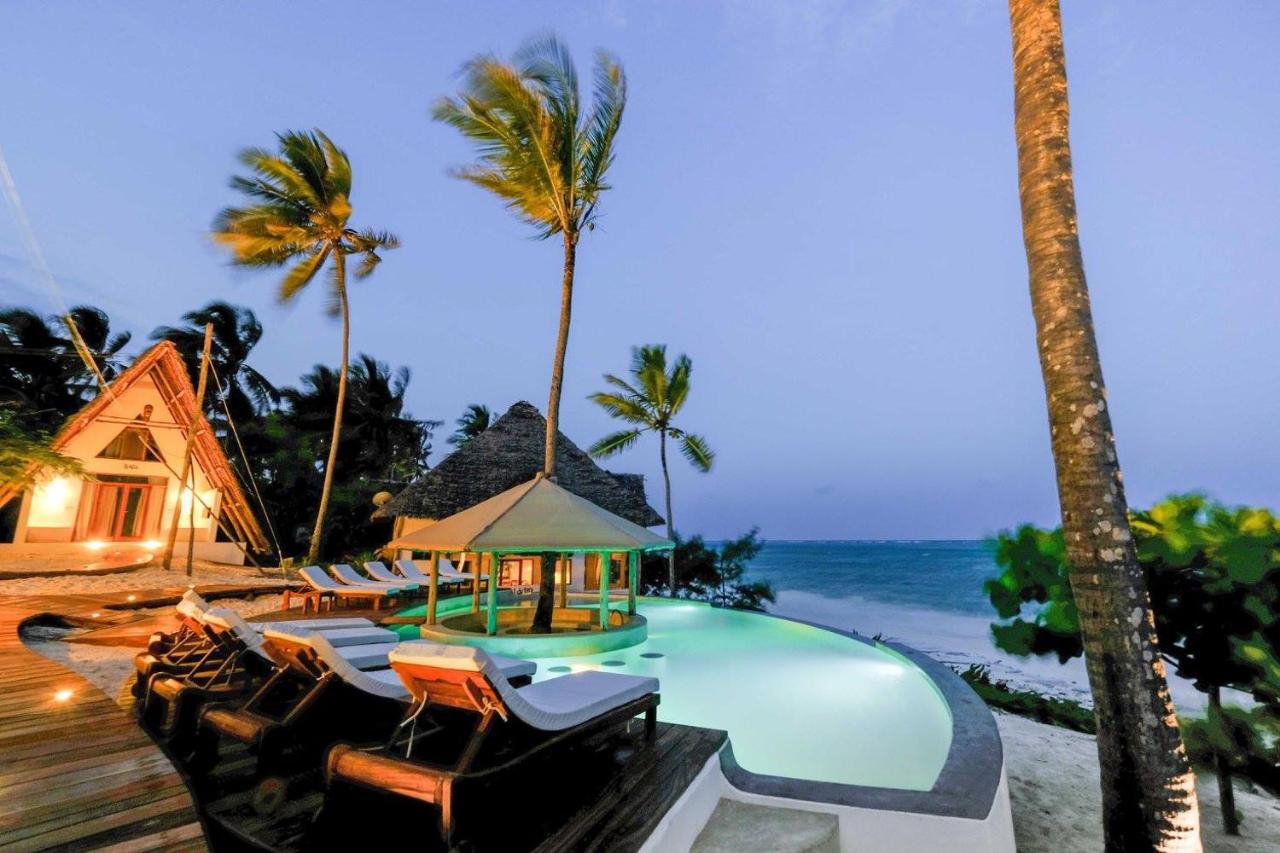
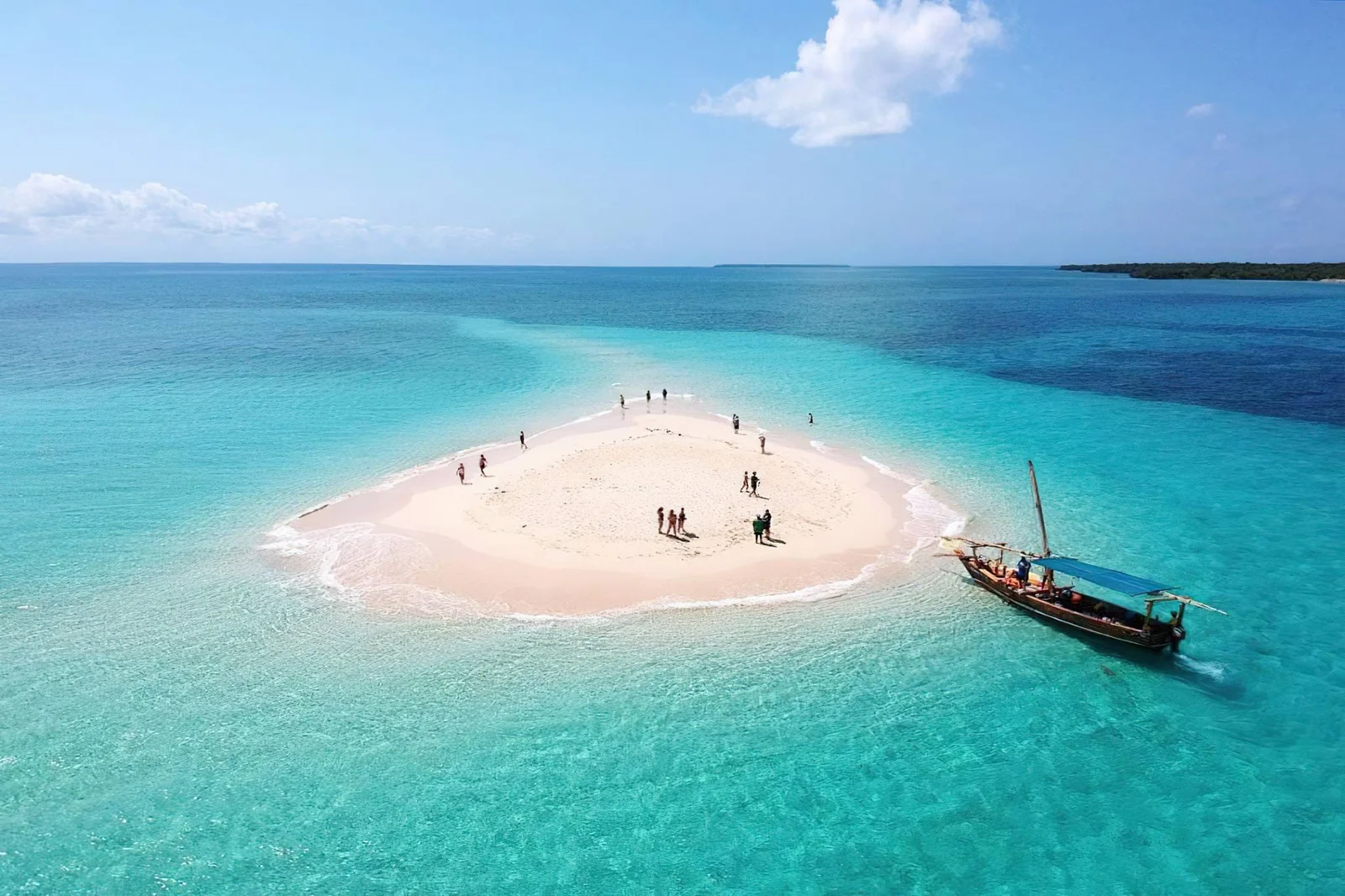
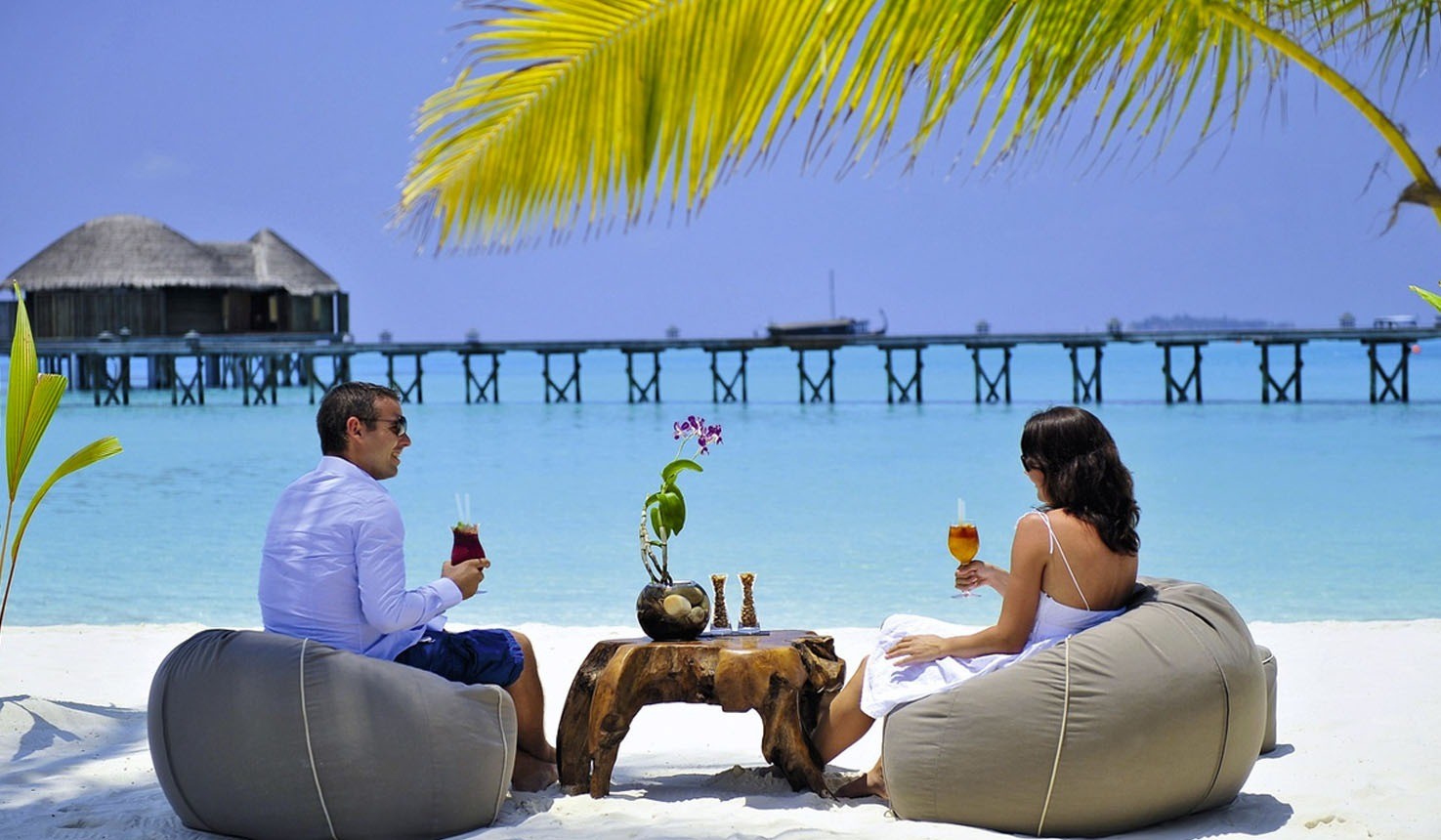
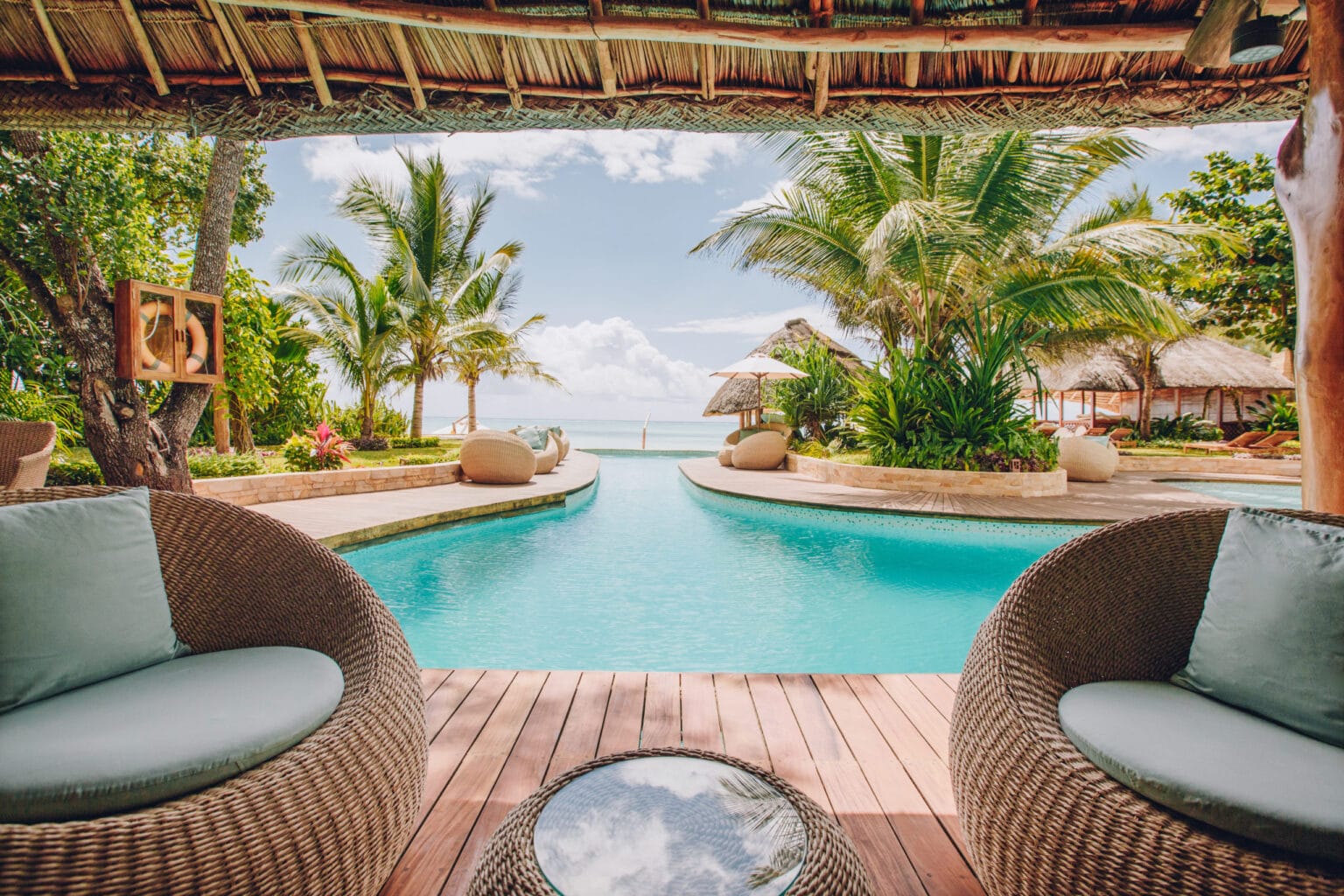
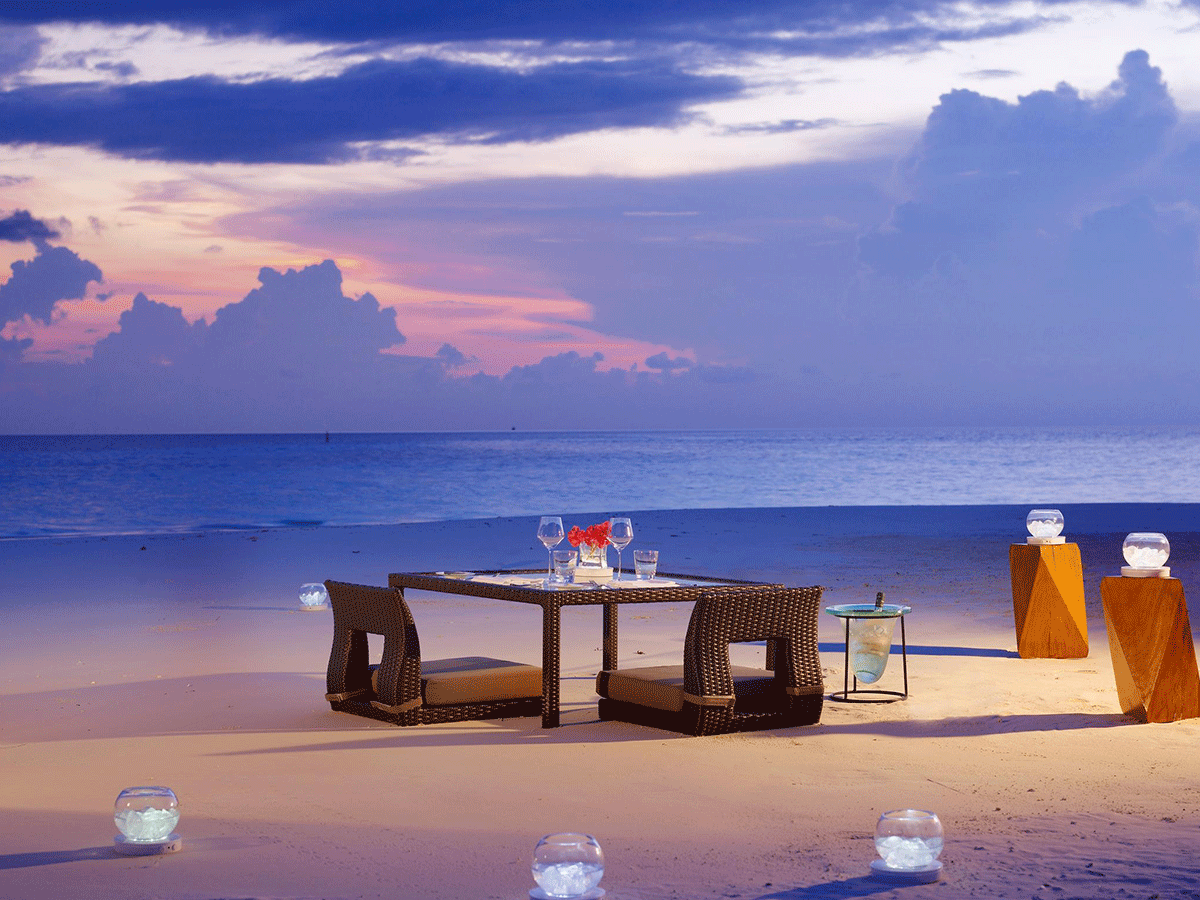
Zanzibar Island is a tropical paradise located off the coast of Tanzania in the Indian Ocean. Known for its white sandy beaches, turquoise waters, rich history, and vibrant culture, Zanzibar offers the perfect blend of relaxation and adventure. Often called the “Spice Island,” it is famous for its spice farms, Swahili culture, and a unique mix of African, Arab, and European influences. Whether you are looking for a romantic getaway, a honeymoon escape, or a cultural exploration, Zanzibar promises unforgettable experiences.
Beyond its breathtaking beaches, Zanzibar is a destination filled with history, marine life, and authentic local traditions. From sunset dhow cruises to snorkeling in crystal-clear waters, every moment on the island feels magical and refreshing.
Zanzibar Island, also known locally as Unguja, is the largest island in the Zanzibar Archipelago off the coast of mainland Tanzania in the Indian Ocean. It is renowned for its white-sand beaches, historic architecture, and vibrant fusion of African, Arab, Indian, and European cultural influences.
Zanzibar Island is more than just a beach destination it is a place where culture, history, ocean beauty, and warm hospitality come together to create a truly unforgettable island experience.
Geography and environment
Zanzibar Island lies within the semi-autonomous region of Zanzibar, along with Pemba Island and many smaller islets. Its tropical climate supports coral reefs, mangroves, and spice plantations, earning it the nickname “Spice Island.” The interior features clove, nutmeg, and cinnamon farms, while the coastline offers extensive coral lagoons and palm-lined beaches.
History and cultural heritage
Historically a major trade hub in the western Indian Ocean, Zanzibar was influenced by Persian, Arab, Portuguese, and British powers. Stone Town, its historic quarter, preserves 19th-century Swahili architecture, labyrinthine streets, and landmarks such as the Old Fort and House of Wonders. The island played a pivotal role in the spice and slave trades before becoming a British protectorate and later joining Tanganyika to form Tanzania in 1964.
Economy and tourism
Tourism is the island’s economic backbone, driven by beach resorts, diving, and cultural heritage tours. Agriculture—particularly cloves and other spices—remains important. Ecotourism is expanding, emphasizing marine conservation and cultural sustainability.
Modern significance
Today, Zanzibar Island represents both a symbol of Tanzania’s multicultural history and a leading destination in East Africa. Its blend of historical intrigue, biodiversity, and hospitality makes it central to the country’s national identity and global tourism appeal.
Important Areas in Zanzibar Island
Stone Town
A UNESCO World Heritage Site and the cultural heart of Zanzibar. Stone Town is known for its narrow winding streets, historic buildings, carved wooden doors, and vibrant markets. It reflects centuries of trade and cultural exchange.
Prison Island
Famous for its giant tortoises and clear waters, this small island is perfect for a short boat excursion, snorkeling, and relaxing by the beach.
Nungwi Beach
Located in the northern part of the island, Nungwi is known for its lively atmosphere, beautiful sunsets, and excellent swimming conditions. It’s one of the most popular beach destinations in Zanzibar.
Kendwa Beach
A stunning beach with soft white sand and calm waters, perfect for swimming, sunbathing, and beach events. Kendwa is also known for its breathtaking sunset views.
Jambiani
A peaceful coastal village on the southeast coast, ideal for travelers seeking a quieter and more authentic local experience. It’s also popular for kitesurfing and cultural tours.